

Former Daijo-in Temple Garden
BEAUTIFUL
SCENERY
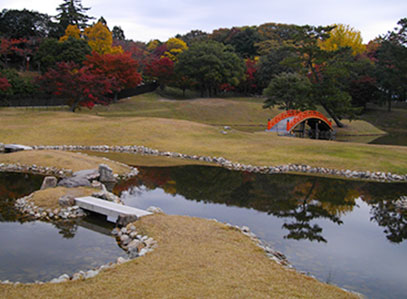
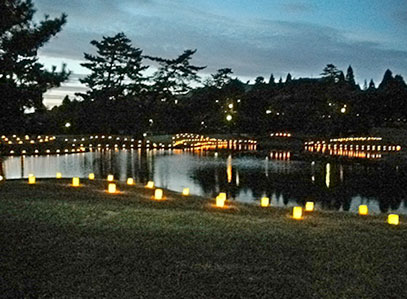
Where the pride of the ancient capital of Nara lives on,
in a garden of beauty and tranquility,
Enjoy a moment of peace
Praised as one of the finest gardens in Nara, the "Former Daijo-in Temple Garden, a Place of Scenic Beauty" is located south of Nara Hotel and is a Japanese garden surrounded by the streets of "Naramachi".
Events and Announcements
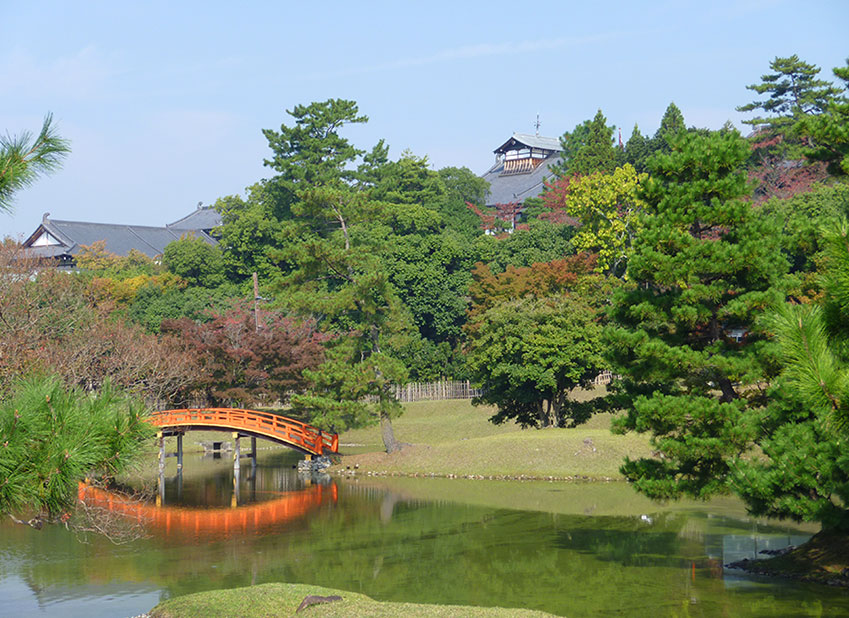
Former Daijo-in Temple Garden
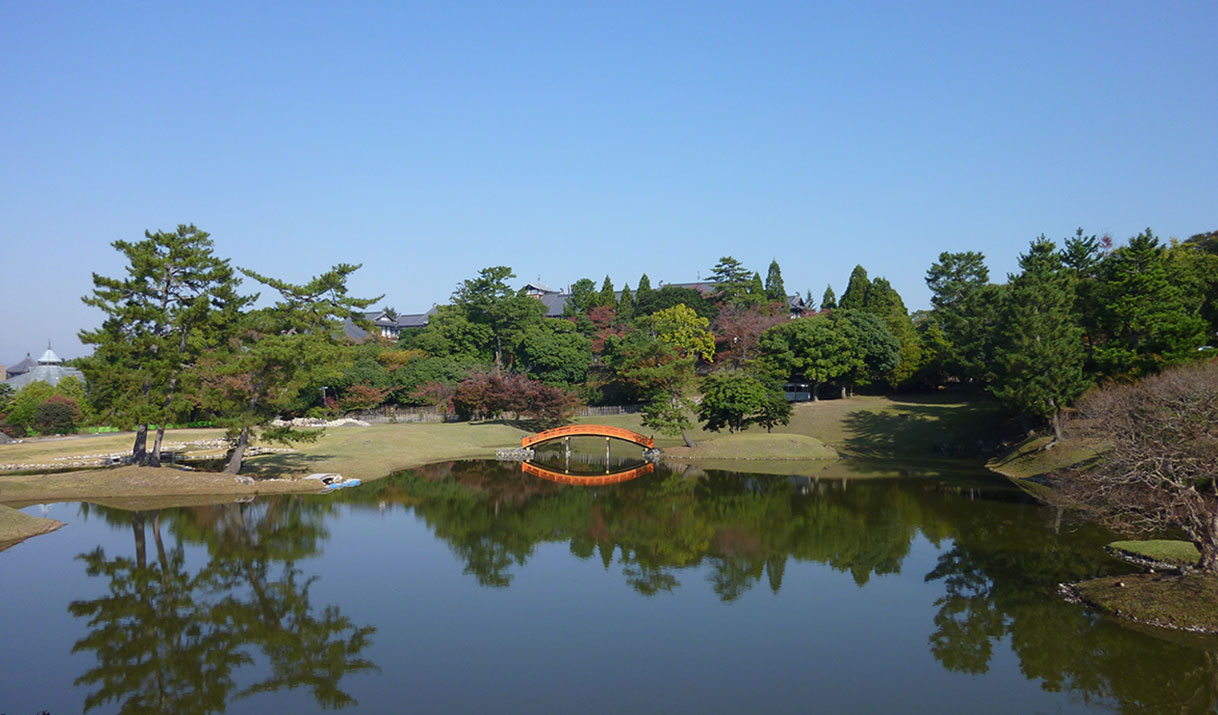
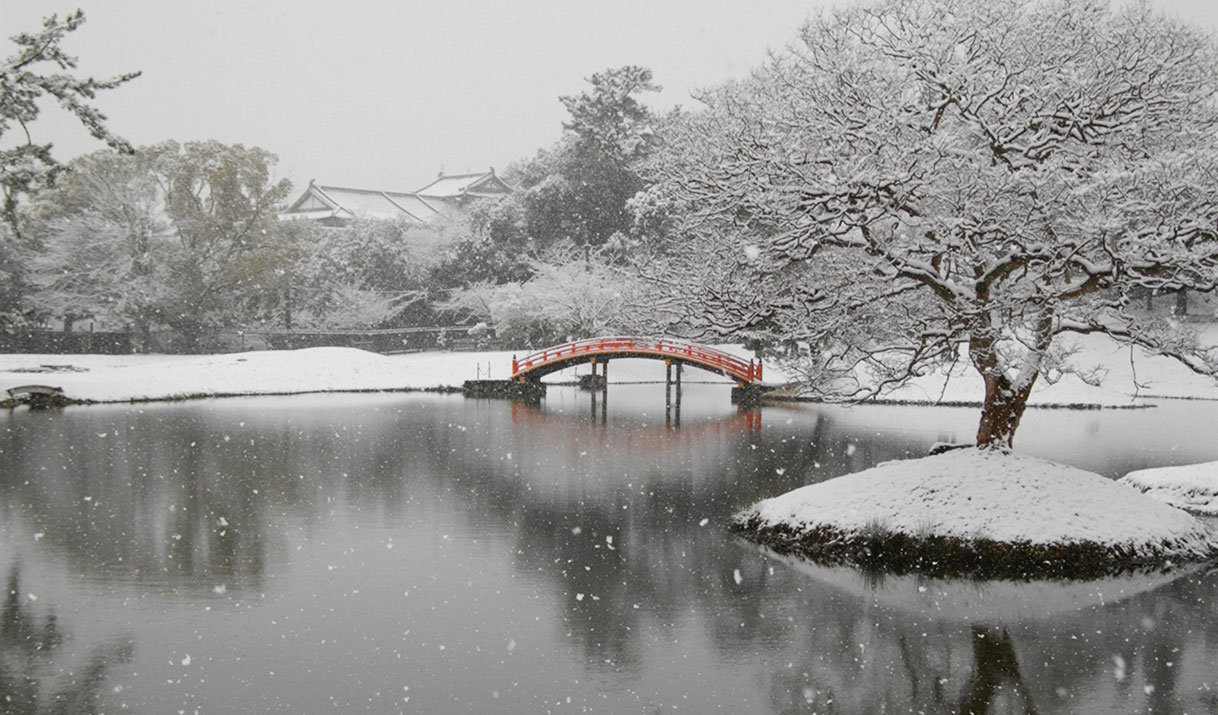
The "Former Daijo-in Temple Garden" a designated scenic spot adjacent to the south side of Nara Hotel, opened its garden paths to the public on July 1, 2017.
Daijoin was one of the monzeki temples (temples headed by a member of the imperial family) that was founded in 1087 (Kanji 1) and flourished from the Heian period to the Edo period. (Young members of the Fujiwara clan entered the priesthood there, and the temple produced many abbots who served as head administrators of Kofuku-ji Temple.) After being destroyed in the burning of the temples of Nanto in 1180 (Jisho 4), it moved to its current location and continued to exist until it was abolished in the early Meiji period due to the anti-Buddhist movement. Currently, part of its grounds is occupied by Nara Hotel.
The garden fell into disrepair during the Muromachi period's debt relief uprising, but was later remodeled at the request of the head priest, Jinson, by Zen'ami, a renowned garden designer active during the Muromachi period. Shogun Ashikaga Yoshimasa and other court nobles frequently visited the garden, and it was praised as the finest garden in Nara until the early Meiji period.
At one point, the area was home to tennis courts and a putting green belonging to Nara Hotel, but after the war, parts of it were renovated, and in 1958 (Showa 33), it was designated a national scenic spot.
Since 1995, restoration work has been carried out in parallel with archaeological excavations conducted by the Nara National Research Institute for Cultural Properties, based on the "Panoramic Views of Daijo-in Through the Four Seasons" drawn by the late Edo period abbot, Ryuon. Now, in conjunction with the 1300th anniversary of the transfer of the capital to Heijo-kyo, it has been opened to the public.
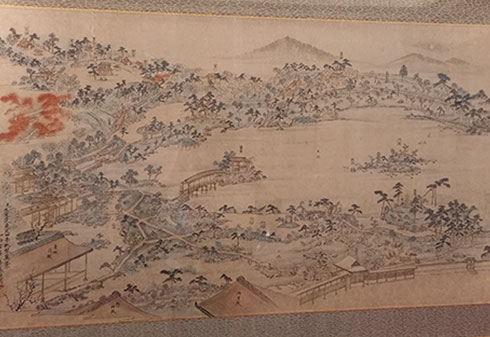
You can see a copy of the "Panoramic Views of Daijo-in Through the Four Seasons" painted by the head priest, Ryuon, which was copied by Shunsui Miyazaki, at Nara Hotel.
Fee
| Adults (high school age and older) | 200 yen |
|---|---|
| Elementary and junior high school students | 100 yen |
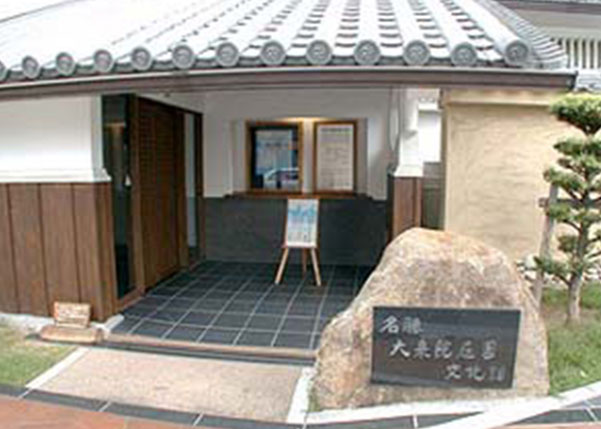
Daijo-in Temple Garden Heritage Center
Daijo-in Temple Garden Heritage Center, has suspended operations from April 2026 until further notice in order to review its facilities and functions.
Please note that you can still enter the scenic Old Daijoin Garden through the entrance to the Cultural Center.
Information & Fees
Business Hours
| Admission time | 9:00~17:00 |
|---|---|
| Closed days | Every Monday (or the following day if Monday is a public holiday or substitute holiday) The day after a public holiday (excluding Saturdays and Sundays) Year-end and New Year holidays: December 26th to January 5th (However, there may be temporary openings from January 1st to 3rd, so please inquire.) |
Fee
Former Daijo-in Temple Garden
| Adults (high school age and older) | 200 yen |
|---|---|
| Children (elementary and junior high school students) | 100 yen |
| Nearest station | JR/Kintetsu Nara Station |
|---|---|
| Transportation from the station | From JR or Kintetsu Nara Station, take a bus bound for Tenri or Shimoyama (approximately 8 minutes) and get off at "Nara Hotel" bus stop. Walk 100m south from there. |
| Parking | None |
| Facilities for Disabled Persons | One toilet |
| Location | 630-8301 1083-1 Takabatake-cho, Nara City |
| TEL | Inquiries regarding the Daijoin Garden Cultural Center (weekdays 9:00 AM to 5:00 PM only) Nara City Cultural Promotion Division: 0742-34-4942 Inquiries regarding the scenic Daijoin Garden (weekdays 10:00 AM - 5:00 PM only) Japan National Trust: 03-6380-8511 |