
What are the SDGs?
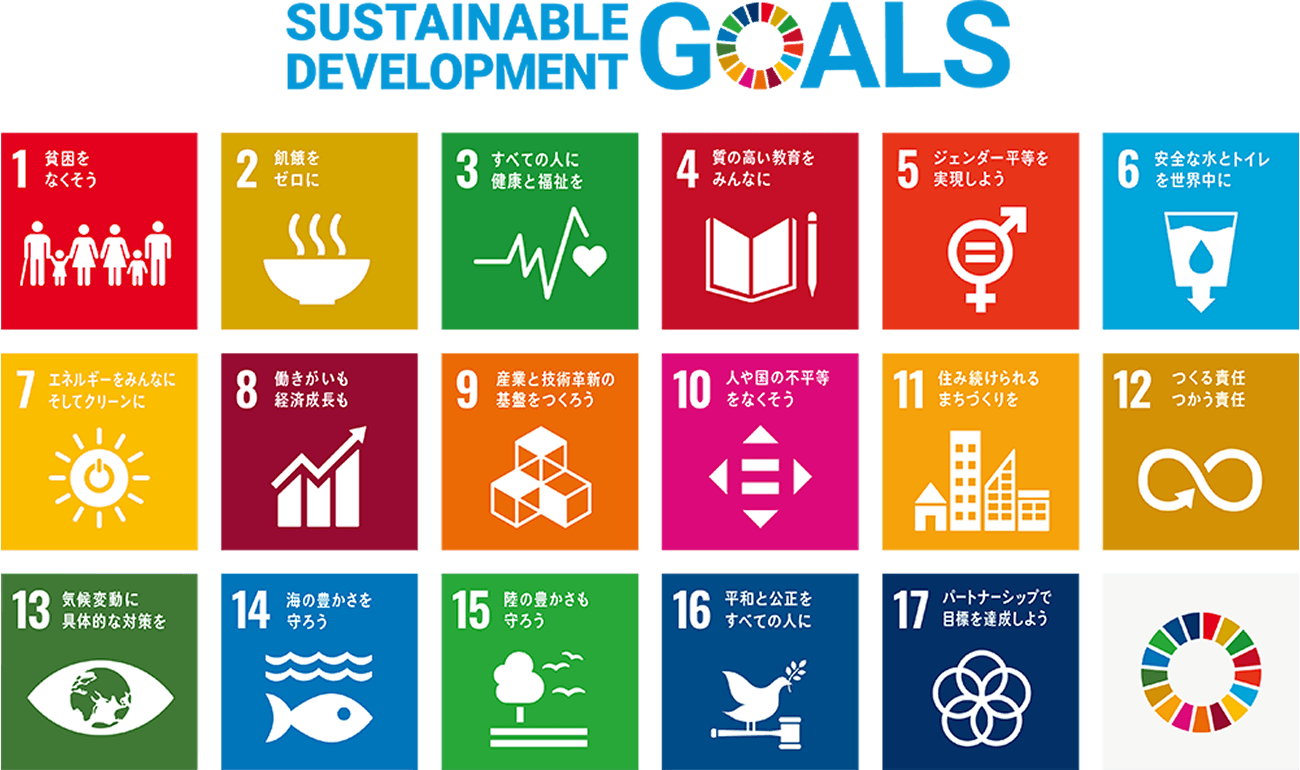
SDGs stands for "Sustainable Development Goals," an international set of goals adopted unanimously by member states at the UN Summit in September 2015, aiming for a sustainable and better world by 2030. It consists of 17 goals and 169 targets, pledging to "leave no one behind" on Earth.
Hotel Granvia Kyoto endorses the United Nations' Sustainable Development Goals and, as a company committed to serving the local community, will actively participate in addressing regional and social issues through its SDGs initiatives.
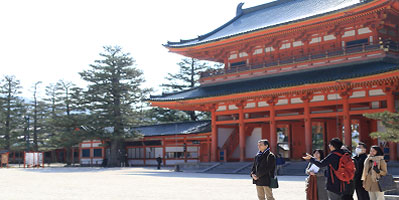
Coexistence with the local community
We inherit the history and traditions of the region, create new perspectives to enhance the appeal of travel and foster connections between people, and contribute to the development of a culture that leads to environmental conservation.
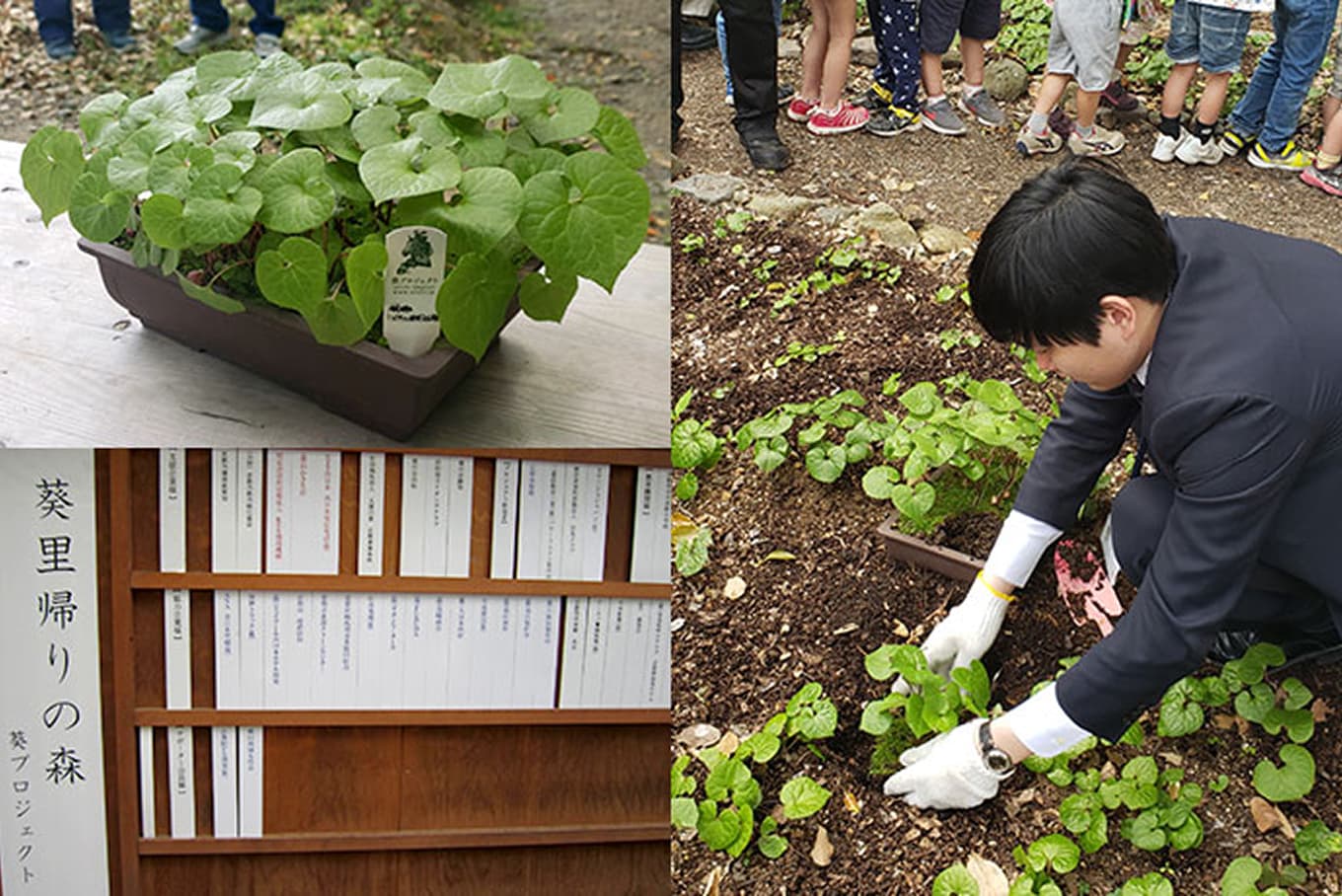
The Asarum caulescens plant, used in Aoi (Aoi Festival), one of Kyoto's three major festivals, is in danger of extinction due to a drastic decline in its natural population. Therefore, Aoi cultivation program is being implemented to provide plants to companies and individuals for cultivation and conservation. Some of the cultivated Asarum caulescens plants are offered to Kamigamo Shrine in early May and used in that year's Aoi. Since January 2015, our hotel has participated in this Aoi cultivation program, striving for cultivation and conservation. Through this, we are also engaged in educational activities to widely communicate to our employees and guests about the coexistence of Kyoto's unique ecosystem (biodiversity) and traditional culture.
Regional and global warming prevention
For symbiosis
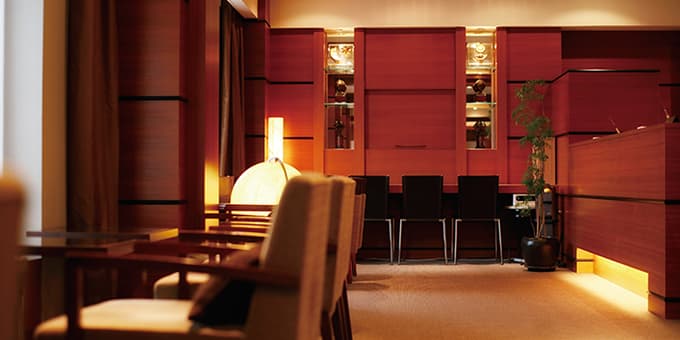
LED lighting throughout the building
We are currently converting the hotel's interior lighting to LED.

Plastic products reduction
We are working to reduce the use of plastic products, including bathroom amenities, by switching to alternative materials.

Reduction of CO2 emissions
During the off-season and other periods, we are taking measures to reduce CO2 emissions, such as suspending sales on a floor-by-floor basis.
Toward a circular economy

Introduction of dispenser bottles
We are moving towards using refillable dispenser bottles for in-room bathroom amenities.

Using food waste as livestock feed
We are processing food waste generated within the facility at a recycling plant and promoting its use as livestock feed.
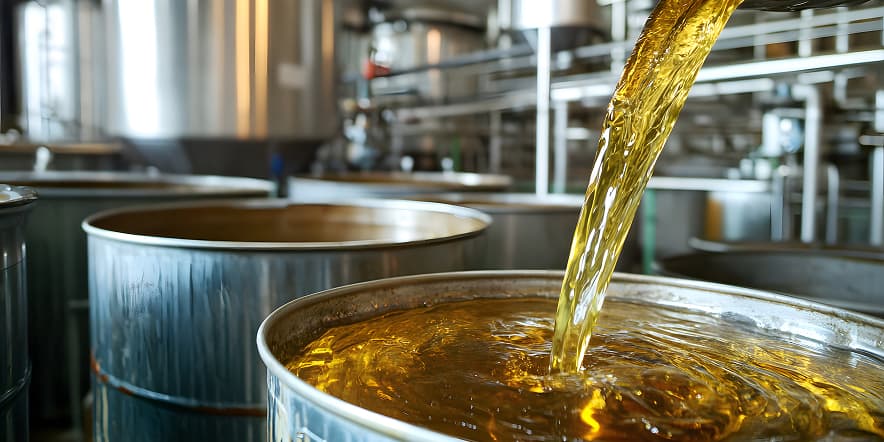
Biofuel conversion of waste oil
Waste oil generated within the facility is processed into biodiesel fuel at a recycling plant and then used.

Water consumption reduction
We are changing guest room and employee restrooms to water-saving models and installing water-saving faucets.
Initiatives that we carry out together with our customers
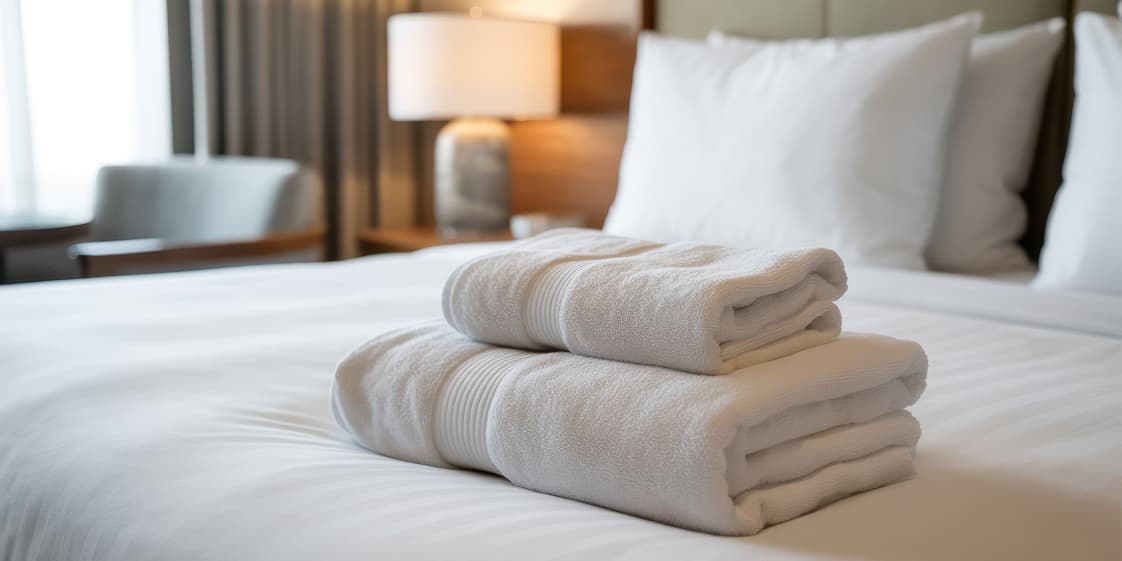
Introduction of a guest room Linen exchange system
We have adopted a policy of not changing Linen during consecutive stays, and we are working to reduce the amount of detergent, heavy oil, etc., used when washing Linen. (Linen changes are only performed upon request.)
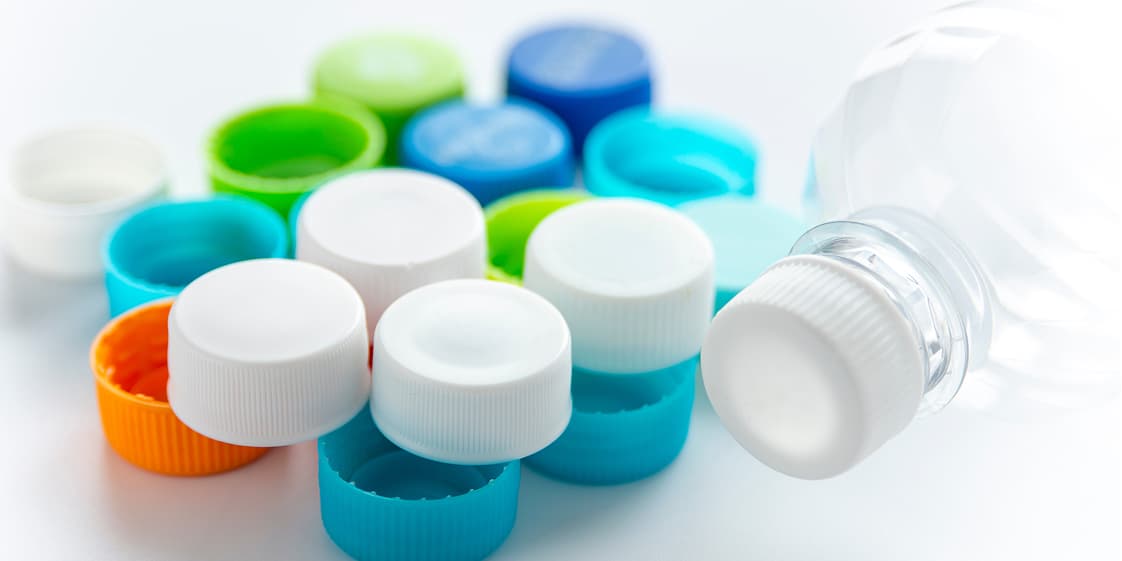
Eco-cap campaign
We sort and collect plastic bottle caps used by our customers and employees, and sell them to recycling companies. The proceeds from these sales are donated to polio vaccine donation organizations, contributing to the effective use of resources and supporting developing countries.

Plastic shopping bags
We encourage you to reduce spending and bring your own reusable bag.
Due to the introduction of charges for plastic shopping bags, when purchasing hotel takeout items, we recommend using paper bags (additional bags will be charged from the second bag onwards) or bringing your own reusable bag.
The "3010 Movement"
Reducing food waste
We are promoting the "3010 Movement" to reduce food waste by informing customers of the banquets that include meals. The "3010 Movement" is an initiative to reduce food waste by having guests enjoy their meals at their seats for the first 30 minutes and the last 10 minutes of the banquet. This initiative started in Matsumoto City, Nagano Prefecture in 2011 and has spread to many other municipalities.

Reducing food waste
We are utilizing the food sharing service "TABETE." TABETE is a food sharing service that allows you to "rescue" (purchase) meals that are still delicious and safe to eat but are difficult to sell in stores. Our hotel group is participating in this initiative to reduce food waste. (Downloading the "TABETE" app is required to use this service. For more information on how to use it, please refer to https://tabete.me/.)
Participating store: Hotel Granvia Kyoto "Le Temps"
Employee initiatives

Implementation of SDGs training
As a member of a community-oriented business, our hotel staff are committed to deepening their understanding of the SDGs (Sustainable Development Goals) and striving to create a hotel that is friendly to everyone and the environment.

Promoting diversity Creating a comfortable working environment
We are implementing human rights training and working to create an environment that is considerate of foreigners, people with disabilities, and gender.

Participation in local cleanup activities
We actively participate in cleaning activities organized by the local community.
As an external certification, we obtained "KES (Environmental Management System Standard) Step 2".
Hotel Granvia Kyoto was the first accommodation facility to obtain KES (Environmental Management System Standard) Step 2 certification, which originated in Kyoto, in March 2005, and all employees are participating in efforts to improve the environment.
Toward creating a hotel that is friendly to everyone and
the environment through new initiatives
As a company committed to coexisting with the local community, we are deepening our understanding of the SDGs and striving to create hotels that are friendly to everyone and the environment. Furthermore, to achieve the JR West Group's vision of a "safe and prosperous society where people meet and smiles are born," we hope to contribute to achieving the SDGs by realizing a West Japan area where everyone—including future generations—can continue to thrive.